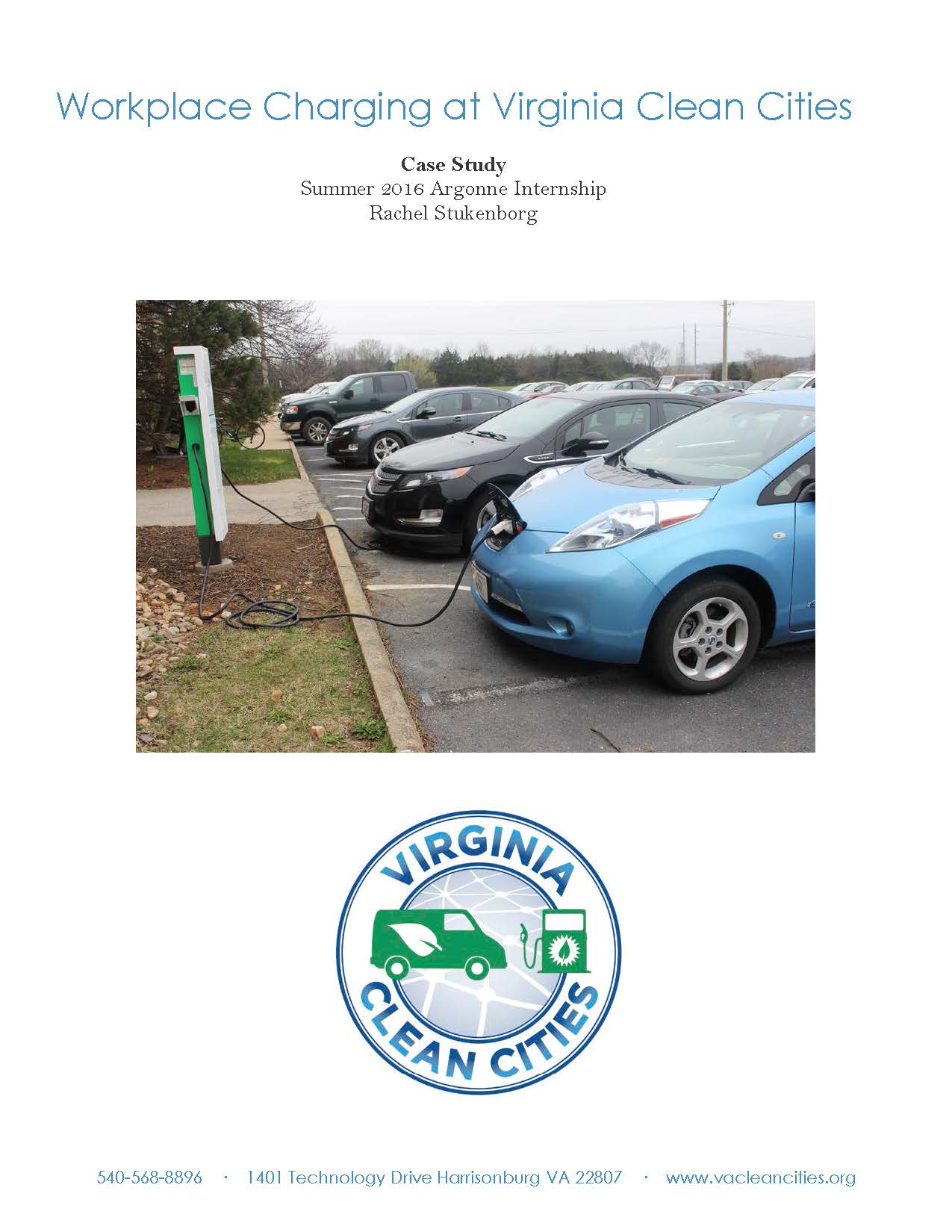
 Virginia Clean Cities Workplace Charging Case Study 2016
Virginia Clean Cities provides a charging station to its employees and to the general public. This case study examines the costs and benefits of usage of the charging station by four drivers.
 Virginia Clean Cities’ DC Fast Charger Deployment Project 2014-15
Virginia Clean Cities and its private sector partners undertook a project to deploy six DC Fast chargers in 2014. By the end of August 2015, the project successfully found site hosts and deployed 21 DC Fast chargers throughout Virginia. This report examines this project and sheds light on the processes and challenges of installing a publicly-available DC Fast charger.
Alternative Fuel Road Signage Policies and Programs in Georgia, Kentucky, North Carolina, South Carolina, Tennessee, and Virginia
July 24, 2014
The purpose of this report and its related activities is to clarify road signage procedures, take account of existing signage for stations offering alternative fuels, and coordinate activities to enhance alternative fuel signing opportunities for the motoring public. As part of the U.S. Department of Energy sponsored Alternative Fuel Implementation Team (AFIT) project led by the NC Solar Center/NC State University, U.S. DOE Clean Cities coordinators in Kentucky, North Carolina, South Carolina, Tennessee and Virginia compiled and assessed information about alternative fuel road signage policy from their respective states. Details of each state’s road signage programs and activities are broken out by participating state in the body of this report, including specific related state contacts and images of existing signage.
Alternative Fuel Road Signage Policies and Programs
Virginia Alternative Fuel Maps: A GIS Based Analysis of Virginia’s Alternative Fuel Infrastructure
June 2014
Virginia Clean Cities utilized U.S. Department of Energy Alternative Fuel Vehicle Station Locator data in partnership with the Clean Cities Workforce Development Program and the effort of Brandon Walraven to advance a series of alternative fuel infrastructure, production, and 2014 deployment maps. These maps are intended for the purposes of development planning and analysis, and all information presented here is available for use and reference.
Virginia Alternative Fuel Maps-For Print Use
Student Analysis of Electric Vehicle Charging at Universities
May 8, 2014
This student project discusses the feasibility of electric vehicle charging at James Madison University. The feasibility criteria studied includes technical requirements, infrastructure needs, user preferences, cost considerations, and institutional policies and constraints to perceive the use and effectiveness of an electric vehicle charger on campus. The methodology used was qualitative analysis of personal interviews with facilities and sustainability staff members at four universities in Virginia: George Mason University, Virginia Tech, University of Virginia and Bridgewater College. Interview data includes logistics, economic, infrastructure, and policy considerations for universities operating these stations. An analysis of the data is present as well as recommendations regarding installation of a pilot electric vehicle charger at James Madison University.
Student Analysis of Electric Vehicle Charging at Universities
 Virginia Clean Fuels Partnership
May 13, 2014
The Virginia Clean Fuels Partnership support from 4-VA enabled James Madison University, Virginia Tech, and the University of Virginia to better work together on a future of sustainable federal grant opportunities from a range of federal agencies. By collaborating and acquiring an initial comprehensive inventory of ongoing programs and capacities, the consortium of universities will be able to advance collaborative or individual projects in the future with greater success. Meetings and collaborations served as intellectual and organizational catalysts for James Madison University, Virginia Tech, and the University of Virginia. This report is the project’s best attempt at a compilation of individuals from partnership universities whose research and interests are in line with Clean Cities goals.
4-VA-Final-Report.pdf
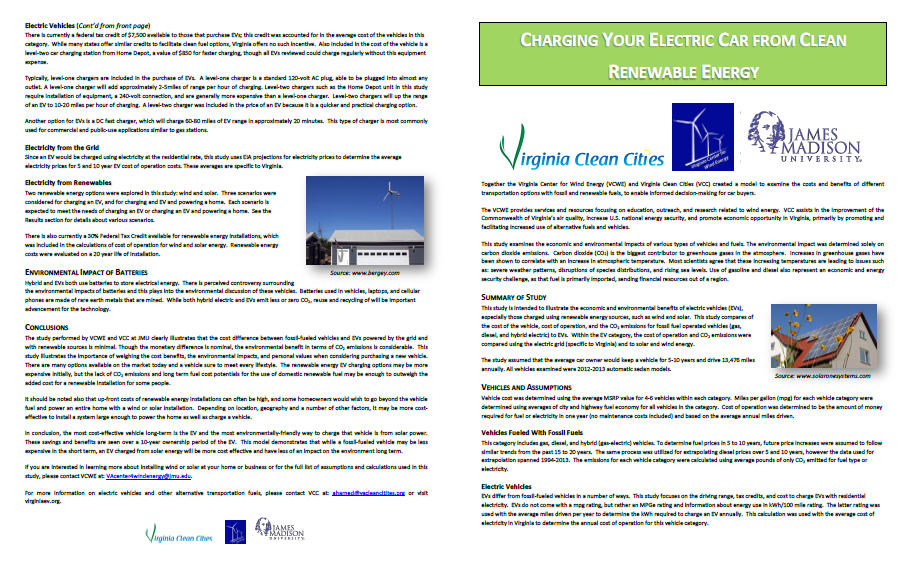 Charging Your Electric Car From Clean Renewable Energy
June 14, 2013
The Virginia Center for Wind Energy and Virginia Clean Cities created a model to examine the costs and benefits of different transportation options with fossil and renewable fuels. This study is intended to illustrate the economic and environmental benefits of EVs, especially those charged using renewable energy sources.
Clean-Car-Charging
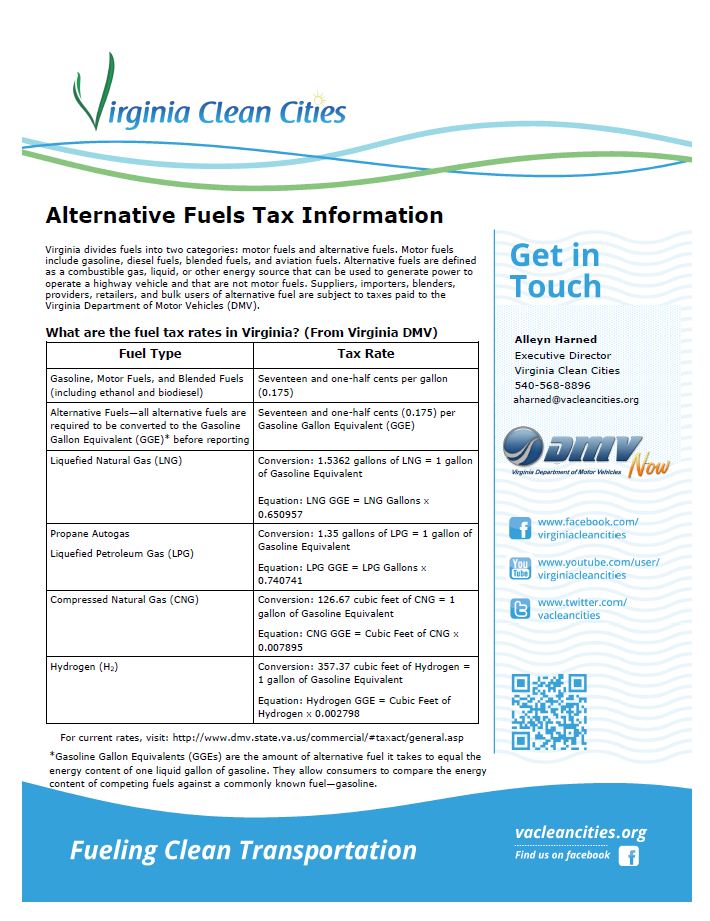 Alternative Fuels Tax Information
June 2014
Virginia divides fuels into two categories: motor fuels and alternative fuels. Motor fuels include gasoline, diesel fuels, blended fuels, and aviation fuels. Alternative fuels are defined as a combustible gas, liquid, or other energy source that can be used to generate power to operate a highway vehicle and that are not motor fuels. Suppliers, importers, blenders, providers, retailers, and bulk users of alternative fuel are subject to taxes paid to the Virginia DMV. Before reporting for Virginia state taxes, all alternative fuels must first be converted to GGEs. GGEs are the amount of alternative fuel it takes to equal the energy content of one liquid gallon of gasoline. They allow consumers to compare the energy content of competing fuels against gasoline.
Fuels Tax General Info
 REVi Electric Vehicle Readiness Plan
March 2013
Adoption of electric vehicles (EVs) is becoming a reality in the Richmond Region and throughout the Commonwealth of Virginia. Virginians spend $13 billion each year on petroleum for transportation. Electricity represents a less expensive, cleaner, and locally generated energy source that also contributes to new economic advantages. The energy industry research group PRTM Management Consultants has estimated that vehicle electrification could represent more than $250 billion in economic development opportunities worldwide by 2020. This estimate considers growth in electricity generation and distribution, grid and infrastructure investments, batteries and their components, vehicle sales, and associated advertising and marketing services.
Final-REVi-Plan-Email-low-res.pdf
 Making the Switch to Biodiesel
March 13, 2013
Biodiesel is a renewable alternative fuel created from vegetable oils, animafixl fats, and greases through a chemical process. Biodiesel can be blended at any percentage with petroleum for use in diesel engines (check engine warrantee for recommended blend levels). Biodiesel, which contains oxygen, burns cleaner than petroleum, reduces greenhouse gases (GHGs), and as approved as an advanced biofuel by the Environmental Protection Agency to meet the Renewable Fuel Standard, can be blended at any level with diesel fuel. Produced in the United States, it creates jobs, adds billions of dollars to local and national economies, and decreases dependence on foreign oil imports.
VCC_Flier_Rev2.pdf
 Omni Richmond Hotel Case Study
February 4, 2013
The Omni Richmond Hotel has installed the first charging station at a hotel in Richmond. The $2,000 charging station installed at the Omni Hotel has already paid for itself in revenue generated by guests that have selected the hotel based on access to an electric vehicle charging station during their stay. In addition to successfully generating revenue, the Omni Richmond Hotel looks at the charging station as a way to generate community exposure and reduce the hotel’s environmental impact. The first official plug-in and Business Case for Electric Vehicle Charging Stations Forum event hosted by Virginia Clean Cities at the hotel generated a statewide “buzz” about electric vehicle charging stations.
Omni-Hotel-Case-Study.pdf
 Propane Autogas Police Cars
January 29, 2013
In a world with rising gas prices, it may not seem surprising that many people are now considering the use of alternative fuels as a solution. What may surprise you is that propane, chemically the same propane used in grills, is the leading alternative fuel worldwide. However, when propane is used in a vehicle, it is often referred to as propane autogas or simply autogas. Currently, more than 18 million vehicles in the world run on autogas. As more Americans discover that autogas is a cheaper, cleaner fuel that is domestically produced (over 90% in the United States), that number is expected rise. In the future, more vehicles, including police vehicles, taxis, trucks, buses, vans, and delivery vehicles will run on this fuel.
Propane-Police-Options.pdf
 Propane Autogas Fleet Case Study: Carroll County, Georgia
December 2012
The Carroll County Sheriff’s Office in Georgia began researching options for alternative fuels because major fluctuations in gas prices were drastically hindering their operations. “We were tired of being at the mercy of gas prices, which were continually causing budget problems and affecting our entire fleet and department,” said Carroll County Sheriff Terry Langley. “In one month, our gasoline prices went up by almost $1 per gallon, and that really got us looking into alternatives to gasoline. In the end, propane autogas was the most practical option for us.” When he heard about the major successes of the Jackson County, Ga. Sheriff’s propane autogas vehicle program, Langley said it reaffirmed their decision switch to propane autogas.
Carroll_County_Case_Study.pdf
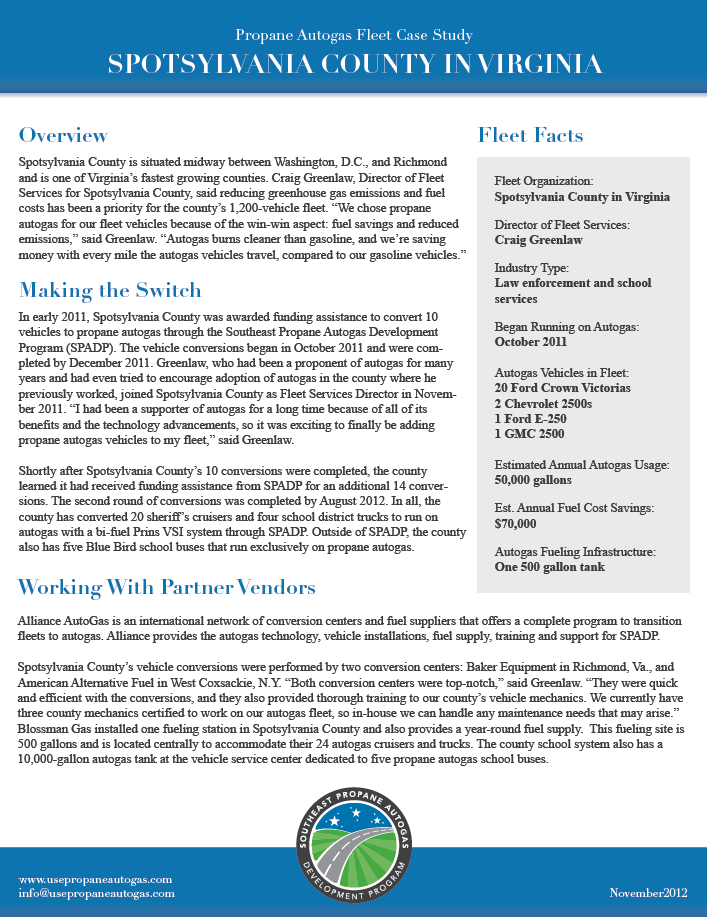 Propane Autogas Fleet Case Study: Spotsylvania County, Virginia
November 2012
Craig Greenlaw, Director of Fleet Services for Spotsylvania County, said reducing greenhouse gas emissions and fuel costs has been a priority for the county’s 1,200-vehicle fleet. “We chose propane autogas for our fleet vehicles because of the win-win aspect: fuel savings and reduced emissions,” said Greenlaw. “Autogas burns cleaner than gasoline, and we’re saving money with every mile the autogas vehicles travel, compared to our gasoline vehicles.” In early 2011, Spotsylvania was awarded funding assistance to convert 10 vehicles to propane autogas through the Southeast Propane Autogas Development Program (SPADP). The vehicle conversions began in October 2011 and were completed by December 2011.
Spotsy+County+Case_FINAL.pdf
 Site Design for Electric Vehicle Charging Stations
September 2012
This report was prepared to highlight best practices for designing electric vehicle (EV) charging stations. Now that communities are ramping up with installations of EV supply equipment, designers are encountering a host of design issues that are generating creative solutions and mistakes. This report is intended to be used by persons who are responsible for safe and convenient design of EV charging stations. The report should be used alongside other resources, including those that cover electrical design standards for installation of EV supply equipment. This report addresses the kind of equipment available and how parking facility design offers both opportunities and challenges for charging station installations.
Site-Design-for-EV-Charging-Stations-1.0.pdf
 Propane Autogas Fleet Case Study: City of Newport News, Virginia
May 2012
The City of Newport News in Virginia, named one of America’s Top 50 Green Cities by Popular Science Magazine, is committed to implementing environmentally and economically sustainable practices to enhance quality of life for current and future residents. As part of the city initiative, Newport News Vehicle Services Director Bob McElheney says he is always looking for ways to reduce vehicle emissions and fuel costs. When McElheney first learned about the environmental and cost-savings benefits of autogas, he knew that propane autogas was a natural fit for Newport News. In 2011, the city applied for and was awarded funding assistance through SPADP to convert some of the city vehicles to run on propane autogas.
NewportNews_VA_Fleet_Autogas_CaseStudy-1.pdf
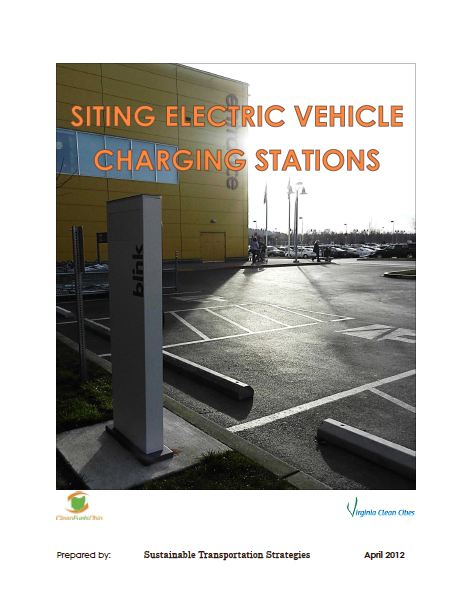
Siting Electric Vehicle Charging Stations
April 2012
Conventional vehicles have a wide network of gas stations to keep fueled. What do electric vehicles need to ensure comparable predictability? This reports offers guidance on how, where to install equipment to keep electric vehicles powered up and running reliably, and describes three levels of equipment that will be used to charge battery-powered electric vehicles. All three levels, from Level 1 electric vehicle supply equipment to DC fast chargers, will be installed to help deploy the range of vehicles that are being introduced. This report also acknowledges the need to provide charging equipment for the other EVs that are under design or being manufactured.
Siting-EV-Charging-Stations-FINAL-1.pdf
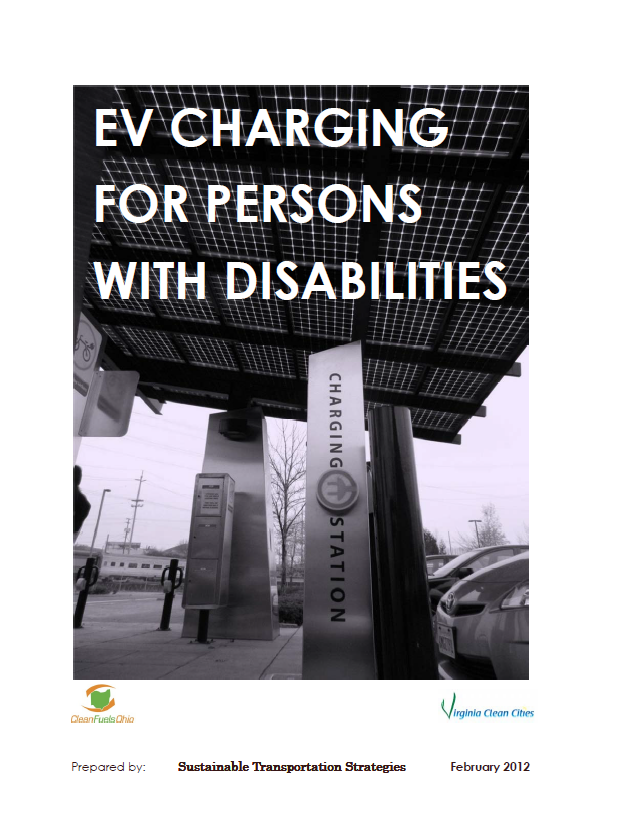 EV Charging Stations for Persons With Disabilities
February 17, 2012
As our nation develops a network of EV charging stations, we must include access for persons with disabilities and comply with the Americans with Disabilities Act (ADA). To ensure businesses have resources on proper ways to install charging stations with access for all users, including those with disabilities, Clean Fuels Ohio and Virginia Clean Cities have released this report. Many current EV charging station installations attempt to include ADA accessibility, but have design features that impede, or make actual use unsafe. Better designed installations often can avoid these impediments. Still, retrofitting existing parking sites is challenging, potentially expensive, and achieving full accessibility in some locations will not be feasible.
EVChargingStationsforPersonsWithDisabilities.pdf
 Richmond CNG Case Study
October 31, 2011
As part of the Green Richmond Initiative, the City of Richmond’s Department of Public Utilities and VCC launched a CNG project. The Green Richmond Initiative was launched by the City of Richmond to build on its past efforts and implement new programs to further Mayor Dwight C. Jones’ triple bottom line goals of sustainability. The project has fostered a more efficient use of resources and improved quality of life by reducing the number of refuse trucks required from 37 diesel trucks to 25 CNG trucks, reducing fuel costs, and by lowering emissions. This also helped to create and maintain jobs in the City of Richmond and helped Virginia Clean Cities secure funding for an National Clean Diesel Campaign project.
RichmondCNG.pdf
 2011 Plug-In Vehicle Strategic Planning Update
October 31, 2011
This report is designed to provide a snapshot in time for Virginia Electric and Plug-In Vehicle readiness. This is intended as a brief update and addendum to the October 2010 Virginia Get Ready Electric Vehicles plan, and can also be used as a resource for the 2012 Richmond Electric Vehicle Initiative final report. This effort encompasses the geographic area of all of Virginia, but can be utilized by regional partners. Portions of this assessment will focus on the greater Richmond Virginia region as a result of clustered planning partners. This assessment is necessary to provide a backdrop for the Richmond Electric Vehicle Initiative (REVi) and to accelerate plug-in vehicle efforts within the state. As of October 31, 2011, 37 public chargers are available throughout Virginia.
2011Plug-InUpdate.pdf
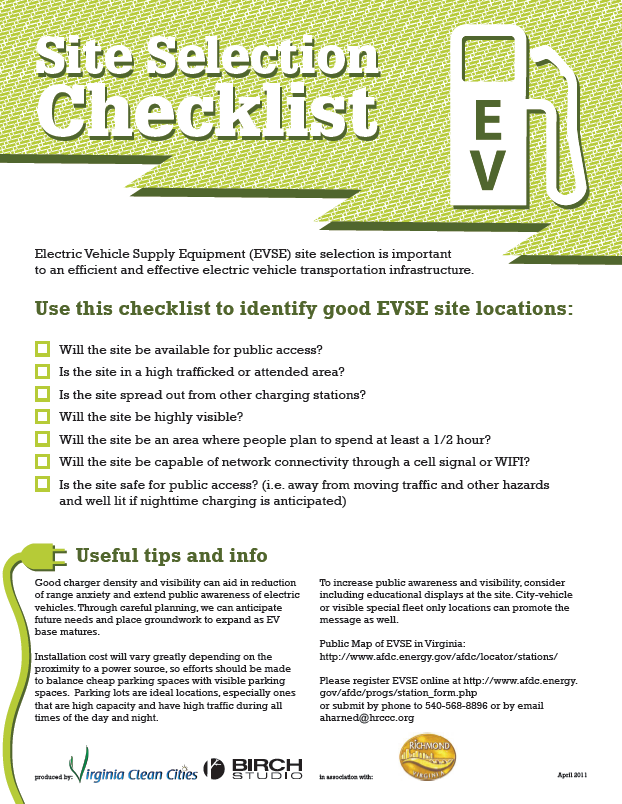
Site Selection Checklist
April 2011
Electric Vehicle Supply Equipment (EVSE) site selection is important to an efficient and effective electric vehicle transportation infrastructure. Use this checklist to identify good EVSE site locations. Use this checklist to identify good EVSE site locations and read up on some useful tips and information, such as charger visibility, installation costs, and increased public awareness. The checklist was produced by Virginia Clean Cities and Virginia Clean Cities stakeholder Birch Studio in association with the City of Richmond, Virginia. It includes a public map of all EVSE locations in Virginia, as well as a link to register any missing EVSE stations.
Site-Selection-Checklist.pdf
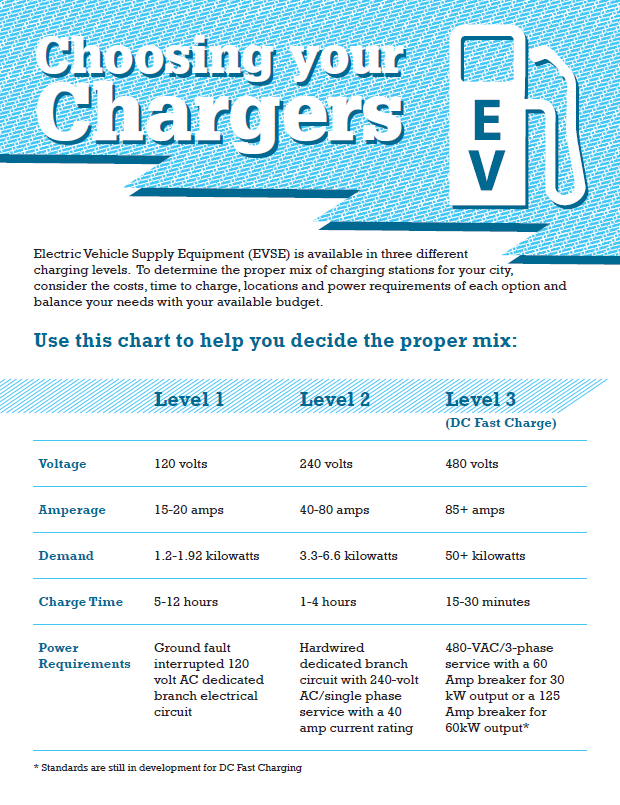 Choosing Your Chargers
April 2011
Electric Vehicle Supply Equipment (EVSE) is available in three different charging levels (Level 1, Level 2, and DC Fast Charge). To determine the proper mix of charging stations for your city, consider the costs, time to charge, locations and power requirements of each option and balance your needs with your available budget. Also includes tax breaks, siting considerations, installation costs, safety and maintenance, vehicle communication, and more resources. Advanced planning, such as locating near power, pre-installing conduit during parking lot refurbishment, can avoid costs of installing the conduit and EVSE later. This document was produced by Virginia Clean Cities and Virginia Clean Cities stakeholder Birch Studio in association with the City of Richmond, Virginia.
Choosing-Your-Chargers.pdf
 Business Case for CNG in Chesapeake Virginia Municipal Fleet
April 2011
The City of Chesapeake, Virginia has 53 vehicles and is considering converting them to use CNG. This case study is an economic assessment that was done for a potential future projects. Specific variables for the locality were considered, such as purchasing schedule specific fleet costs and vehicle miles traveled. This document establishes a feasibility scenario for CNG usage in the municipal fleet in Chesapeake by calculating the life cycle cash flow of investing in the vehicles and infrastructure and paying it back through savings in fuel expenditures. Decisions made on equipment purchases, capital upgrades, and fuel contracts have long-term impacts on the operational success of the fleet. NREL has modeled the impact of these decisions and other fleet parameters with its VICE model and analyzed fleet projects.
ChesapeakeCNG.pdf
 Clean School Bus USA Case Study
March 30, 2010
From March of 2008 to December of 2010, Virginia Clean Cities provided program management and administrative support for the Clean School Bus USA Middle Peninsula Project. The objective of this project was to promote healthful air, especially for student riders, by reducing diesel exhaust emissions from school buses in Virginia’s Middle Peninsula and Piedmont region through the deployment of alternative fuels and technologies paired with a concentrated outreach and education campaign. The project’s goals included: installation of exhaust after-treatment devices; use of biodiesel blends and, possibly, a propane demonstration; idle reduction through driver training; early replacement of old buses with cleaner new ones; and leveraging outcomes with three complementary grants and news coverage.
CleanSchoolBus.pdf
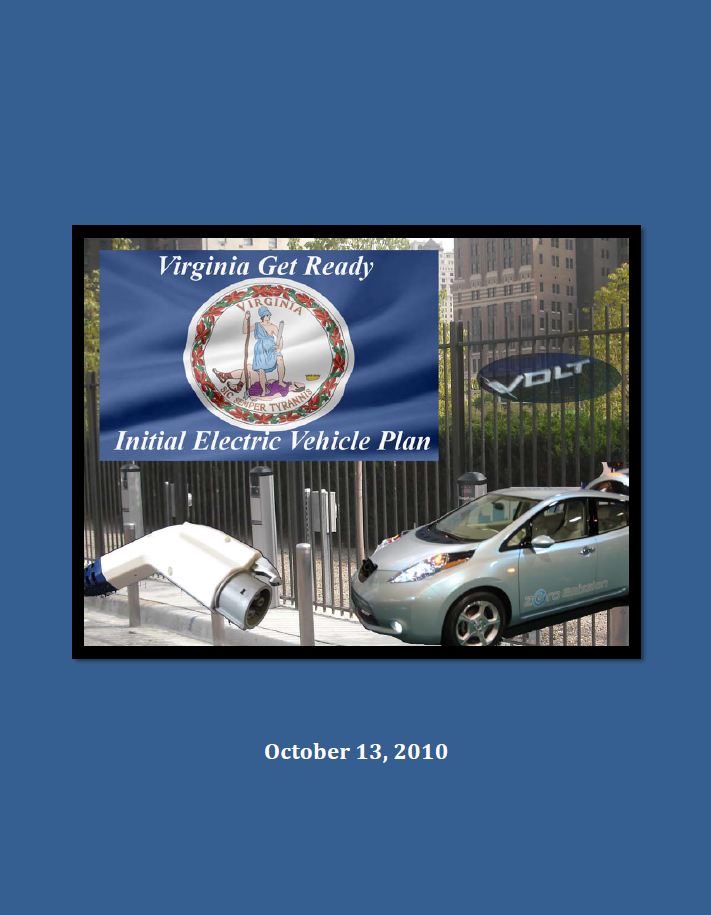
Virginia Get Ready Initial Electric Vehicle Plan
October 13, 2010
Commercially produced electric vehicles (EV) are a reality in Virginia today, and Virginia is well-positioned physically and economically to be a leader in electric vehicles. Embracing electric vehicle use in Virginia will assist statewide efforts to reduce vehicle emissions, increase energy independence, and generate positive economic development for the Commonwealth. The reality of charging infrastructure, technical and managerial, is outlined at length in this document. The process of charging an electric vehicle can be as simple as plugging the vehicle into a 120 volt outlet; however, for faster charging, electrical upgrades may be needed.
GetReady.pdf
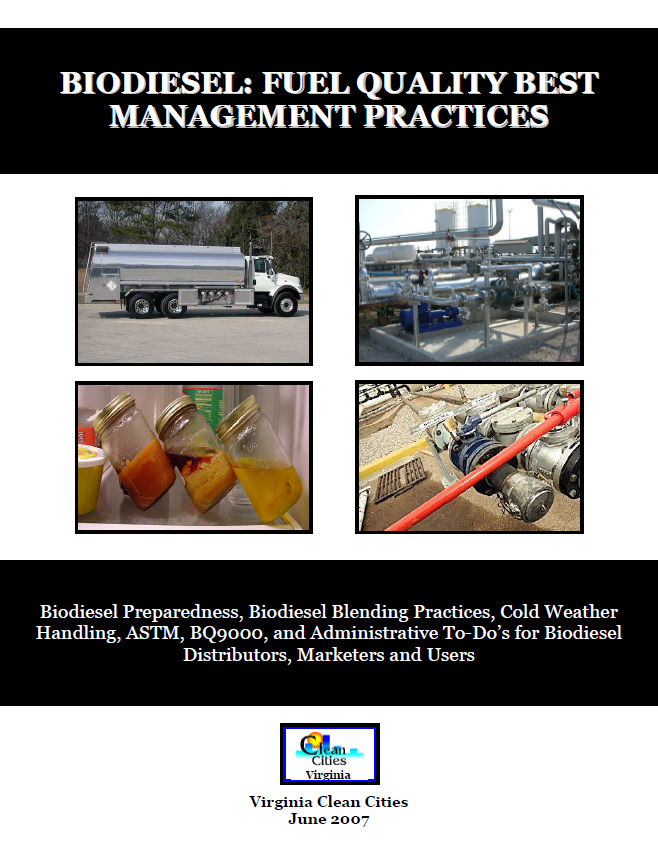 Biodiesel: Fuel Quality Best Management Practices
June 2007
This guide includes information on biodiesel preparedness, biodiesel blending practices, cold weather handling, ASTM and BQ9000, administrative to-do’s for biodiesel distributors, marketers and users, resources, and a tank cleaning directory. This guide was compiled by Virginia Clean Cities with support from the Virginia Department of Mines, Mineral and Energy (DMME). Much of the content was adapted from the National Biodiesel Board, the National Renewable Energy Laboratory (NREL), the National Oilheat Research Alliance, Virginia regulatory agencies with jurisdiction over biodiesel use, distribution and production, and opinions of Virginia biodiesel producers, distributors, marketers and users.
Fuel_Quality_BMP_FINAL
Dragon Run Biodiesel Project
March 31, 2007
Virginia Clean Cities was contracted by the MPPDC to continue further exploration of biodiesel market viability and present recommendations based on survey summaries and stakeholder interest detailing potential to fulfill the goal to provide sustainable natural resource-based economic benefit to the watershed community centered around the use and production of biodiesel as a cleaner, healthier, domestic alternative to fossil fuel. This first-phase report is meant to provide a framework to assist the consultants and MPPDC in determining some potential directions and paths to consider in the next phases of the study and project.
DragonRun.pdf
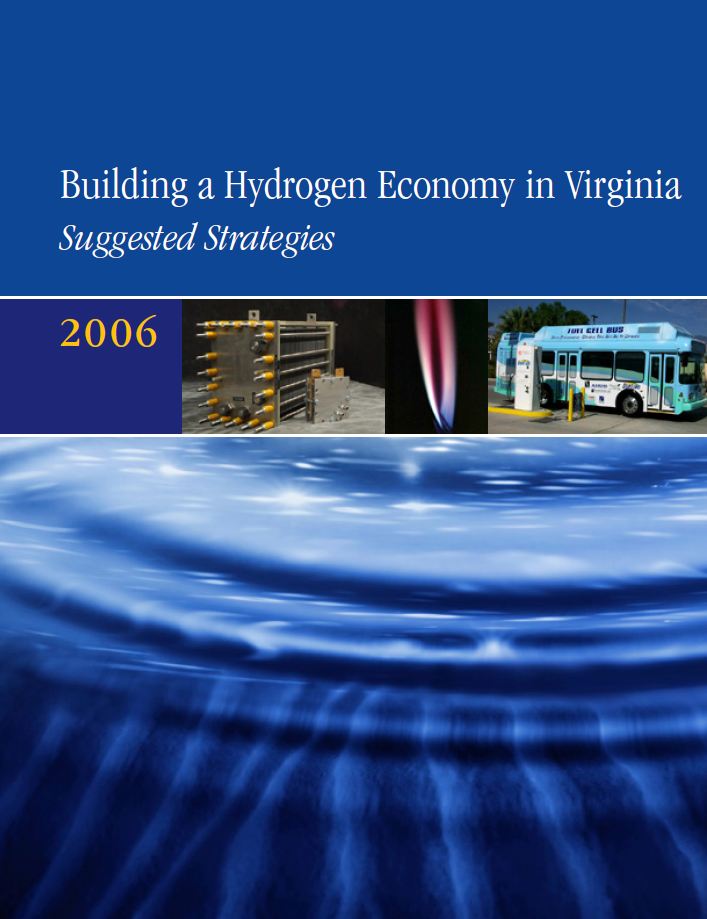
Building a Hydrogen Economy in Virginia
September 12, 2006
As concern for energy security grows, so does the level of interest at the national and state levels. This Virginia hydrogen plan and hydrogen vision were developed by the Virginia Hydrogen Economy Roundtable, a forum created in 2002 comprised of representatives from more than thirty energy- and transportation-related industries, federal and Virginia government agencies, Virginia academic institutions, and non-governmental organizations. The creation of Virginia’s hydrogen vision and the recommendations made in the hydrogen plan are the result of input gathered from in-depth Roundtable discussions held from late 2005 through the first half of 2006.
BuildingaHydrogenEconomyinVirginia.pdf
 Biodiesel Implementation – Arlington County, Virgnia
June 2005
Arlington County implemented B20 biodiesel as a means to reduce the environmental impact diesel vehicles were having in the county. The impetus came from calls from citizens about the exhaust plume above the school bus parking during morning start-up and the visible exhaust from heavy vehicles such as fire trucks. The effort had the support of the County Board. Arlington’s fleet management team prepared for the first delivery of B20 by cleaning storage tanks, adding fuel dispenser filters, and educating drivers on the potential for fuel filter clogging during the early stages of the cut-over. In September of 2001, the county received its first shipment of B20.
Arlington_B20_Study_1-05_-1.pdf